Home Inspection Edmond OK: From Report to Repairs
April 2, 2026
April 2, 2026
Buying a home in Edmond can feel exciting right up until the inspection report hits your inbox. Suddenly, a few pages of notes can make a solid house seem overwhelming. The good news is that most inspection reports are not a list of deal-breakers. They are a tool to help you understand the home, sort true concerns from routine upkeep, and make smart decisions before closing. If you know how to read the report and what repairs actually matter, you can move forward with more confidence. Let’s dive in.
Edmond is a major resale market, with a population of 99,040, a 70.3% owner-occupied housing rate, and a median owner-occupied home value of $351,400, according to the U.S. Census QuickFacts for Edmond. In a market with so many owner-occupied homes, inspections often play a big role in how buyers and sellers negotiate.
A home inspection is designed to help you understand a property's condition, especially its structural and mechanical systems. The Consumer Financial Protection Bureau explains that inspections help buyers identify a home's strengths and weaknesses, including key systems like HVAC and electrical.
For most Edmond buyers, the inspection is less about perfection and more about risk. The biggest questions are usually whether the home is safe, functional, durable, and likely to create financing issues.
A typical inspection report can feel long, but most findings fall into a few practical categories. Thinking about the report this way makes it much easier to understand what matters most.
This section often covers the roof, siding, trim, windows, doors, and drainage around the home. In Oklahoma, that matters because weather can be hard on exterior materials over time.
The National Weather Service notes that Oklahoma sees thousands of thunderstorms each year, with severe storms most common in spring and autumn. That makes signs of hail, wind damage, and wear after major weather events especially important in Edmond inspections.
Inspectors usually look for visible signs of movement or stress, such as wall cracks, ceiling stains, and doors or windows that do not operate normally. These issues deserve careful attention because they can affect durability and repair costs.
According to OSU Extension, shrink-swell soils are common in many parts of Oklahoma and can crack foundations and walls. It specifically advises watching for cracks around windows and doors, which is one reason foundation movement is a common and legitimate topic in Edmond inspection reports.
This part of the report usually includes HVAC, electrical, plumbing, and the water heater. These systems affect daily comfort, safety, and your budget after move-in.
HUD's inspection framework emphasizes the function and safety of major components like electrical systems, HVAC, water heaters, roofs, windows, and foundations. In real life, this means a report may flag anything from an aging air conditioner to a visible plumbing leak or an electrical issue that needs licensed follow-up.
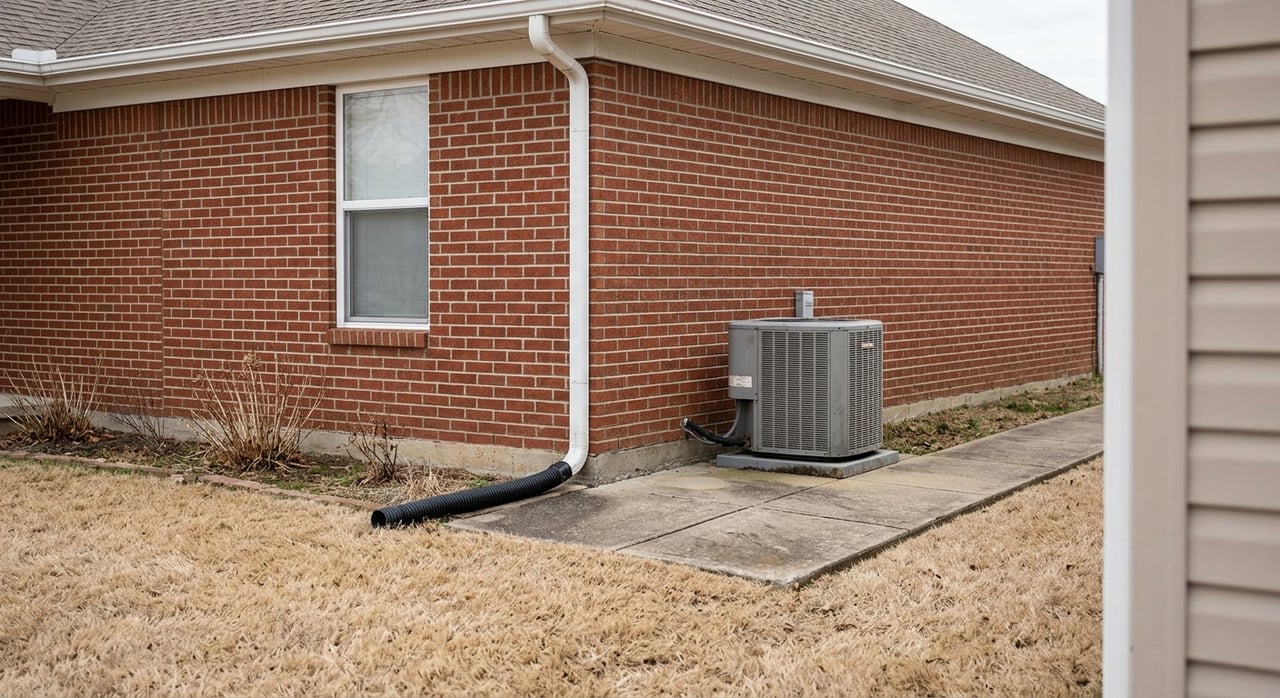
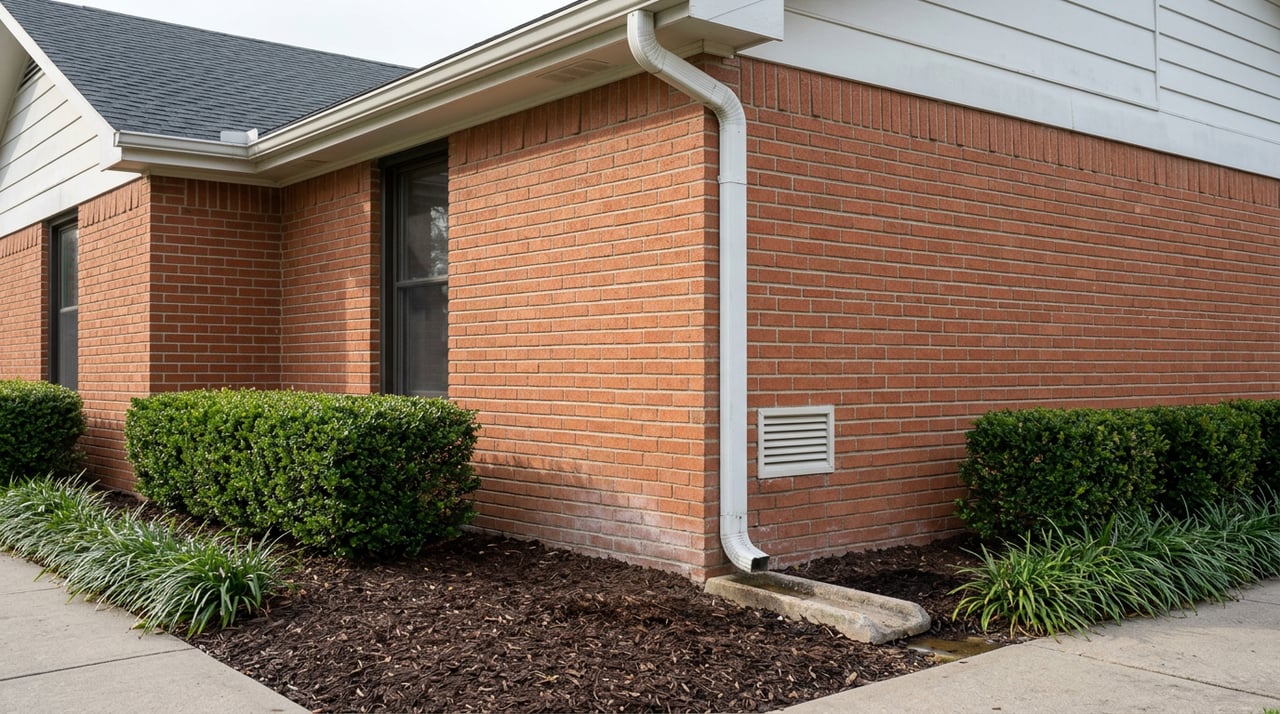
Moisture issues can look small on paper but become costly if ignored. Inspectors often note gutter conditions, grading, downspout discharge, and signs of water intrusion.
The U.S. Department of Energy explains that even a few inches of rain on a roof can create thousands of gallons of runoff. It also notes that gutters and downspouts are especially important where expansive soils are present, which makes drainage an important inspection topic in Edmond.
Some inspection concerns show up almost anywhere. Others are especially relevant in Edmond and across central Oklahoma.
Because of local soil conditions, small signs of movement should not be brushed off too quickly. Sticking doors, cracked drywall around openings, and uneven operation of windows may point to conditions worth a closer look.
That does not automatically mean a house has a severe structural problem. It does mean you should understand whether the issue appears minor, ongoing, or significant enough to affect future repairs or financing.
After strong storms, roof coverings, flashing, gutters, and exterior materials may show wear that is easy to miss during a showing. OSU recommends checking the roof, foundation, walls, truss system, sagging ceilings, and any signs that the structure has shifted after storm events.
In practice, that means storm history can shape inspection conversations in Edmond. If the report mentions roof concerns, it is worth understanding whether the issue is cosmetic wear, active leakage risk, or a repair that could affect closing.
Termites are a real statewide concern, not a rare exception. OSU Extension says eastern subterranean termites exist throughout Oklahoma, and warning signs can include mud tubes, discarded wings, and visible damage.
For Oklahoma home sales, termite inspections also follow a specific process. OSU notes that a sale-related termite report must use the ODAFF 1 form and include a diagram along with details about active or prior damage, wood-to-soil contact, and drainage or moisture problems.
A long report does not always mean a bad house. Nearly every home, including well-kept homes, will have some findings.
The key is to separate routine maintenance from issues that affect safety, habitability, durability, or financing. A missing doorstop is not in the same category as active roof leakage, unsafe electrical conditions, foundation movement, or moisture around the structure.
When you review the report, start with the findings that may change your decision or your financing path. These often include:
HUD's standards prioritize health, safety, and functional deficiencies over appearance. That is a helpful lens when deciding what deserves negotiation and what may simply belong on your future maintenance list.
The CFPB advises buyers to attend the inspection when possible because it makes the report easier to interpret and gives you a chance to ask questions in real time. Seeing the issues in person often reduces confusion and helps you understand scale.
For example, there is a big difference between a hairline crack that should be monitored and a pattern of movement that suggests further evaluation. Walking the home with the inspector can give that written report much-needed context.
Once the inspection is complete, the next step is deciding how to respond. That usually depends on the seriousness of the findings, the contract terms, and the overall market.
If your contract is contingent on a satisfactory inspection, the CFPB explains that you may be able to cancel without penalty if the results are not acceptable. If the issues are manageable, buyers and sellers often move forward through one of these paths:
For major items such as a roof, the lender may require repairs before closing or require funds to be set aside after closing. That is why the most important findings are not just about comfort. They can affect whether the transaction stays on track.
A smart repair request is usually focused and reasonable. If you ask for every minor defect in the report to be fixed, you can lose sight of what really matters.
A stronger approach is to focus on issues that affect safety, system function, water intrusion, structural stability, or financing. Cosmetic imperfections and routine maintenance items are often better handled as part of your long-term ownership plan.
Termite issues often move into a separate negotiation lane. That is because the termite report addresses whether damage is active or previous, and the solution may involve treatment terms and warranty details rather than a simple repair.
OSU's guidance on choosing a termite company explains why that distinction matters in Oklahoma sales. Active infestation, prior treatment history, and documentation can all shape what happens next.
The inspection period is not just about spotting problems. It is about making a calm, informed decision with good local guidance.
Here are a few practical ways to approach it:
In Oklahoma, home inspectors are regulated by the Construction Industries Board, and the state says applicants generally complete approved training, pass an exam, and renew with continuing education. For you, that makes license verification a smart first step when choosing an inspector.
An inspection report is only part of the story. The other part is knowing how those findings tend to play out in Edmond homes and negotiations.
Local conditions like shrink-swell soils, strong storm seasons, and moisture management issues can make some findings more meaningful than they might be elsewhere. A construction-aware agent can help you look past the noise, focus on what truly affects the home's value or livability, and negotiate from a position of clarity.
If you are buying or selling in Edmond and want practical guidance through inspections, repairs, and next steps, connect with Matt Berry. You will get straightforward advice rooted in local market knowledge and real property experience.
Stay up to date on the latest real estate trends.


Whether you’re buying, selling, or planning your next move, Matt Berry is ready to work for you. Reach out today to start your real estate journey with confidence and clarity.