Is an Investment Property in Edmond OK Worth It?
May 21, 2026
May 21, 2026
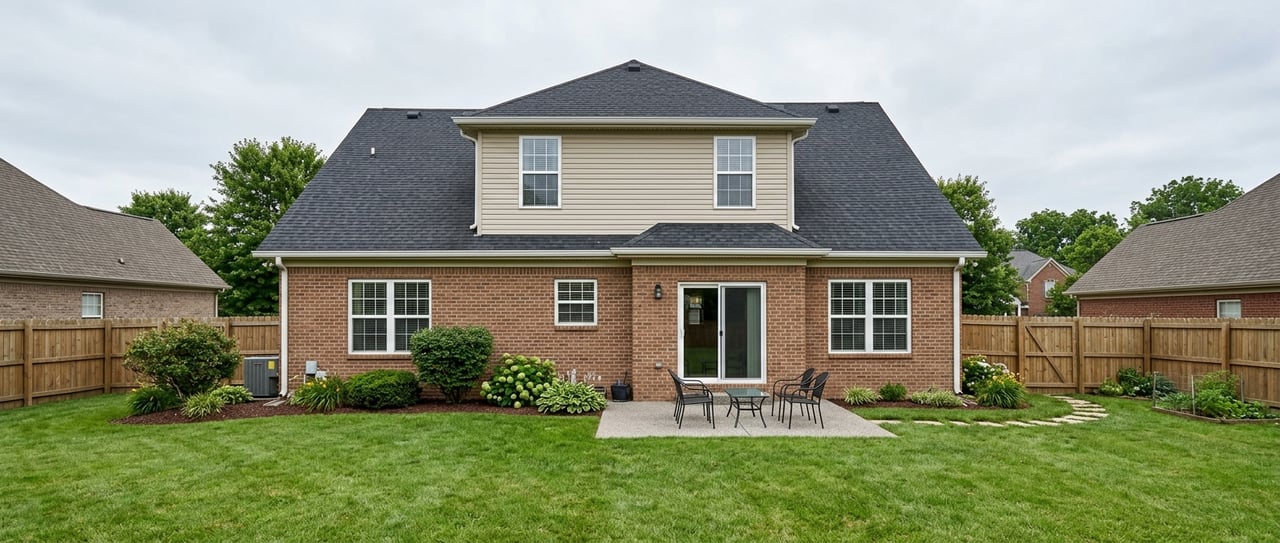
If you are eyeing Edmond for a single-family rental, the first thing to know is simple: this is not a bargain-bin investor market. Edmond is a mostly owner-occupied city with limited housing supply, which means opportunities can be solid, but they usually reward careful numbers and smart property selection instead of guesswork. If you want a clearer picture of what single-family investment opportunities in Edmond really look like, this breakdown will help you understand pricing, rent potential, risks, and what to watch before you buy. Let’s dive in.
Edmond has the kind of housing mix that keeps single-family rentals relevant. According to the city’s 2025 to 2029 Consolidated Plan, 77.9% of housing units are 1-unit detached homes, so single-family properties are a major part of the local market rather than a small niche.
The city is also largely owner-occupied. Census QuickFacts reports a 70.3% owner-occupied housing rate in 2024, with a population of 99,040. For you as an investor, that means you are competing in a market where many residents buy, but there is still steady demand for well-located rentals when inventory is tight.
That tight supply matters. Edmond’s housing assessment describes the market as strong and notes that both for-sale and rental options are limited. The city’s recent planning documents say rental vacancy can range from 1% to 3% depending on location, and an earlier housing assessment said vacancy was consistently under 1%.
If you are hoping to buy a low-cost rental in Edmond, the local numbers suggest you will need to reset expectations. Recent sale and value data place Edmond in the mid-$300,000s and up, not in an entry-level price band.
Zillow reported an average home value of $353,954 as of March 31, 2026, and a median sale price of $348,333 in February 2026. Redfin reported a March 2026 median sale price of $400,000. These figures use different methods and timeframes, but together they point to the same conclusion: Edmond is a higher-price suburban market by Oklahoma standards.
That pricing matters because your acquisition cost directly affects cash flow. In a market like this, the spread between your monthly ownership costs and your likely rent can get tight fast if you are financing a large share of the purchase.
Rent potential in Edmond is meaningful, but it still needs to be viewed in context. Census QuickFacts shows a median gross rent of $1,344, while Zillow shows an average rent of $1,656 for the city.
The city’s own plan gives a more detailed look by unit size. It lists fair-market rent at $906 for a 2-bedroom, $1,231 for a 3-bedroom, and $1,506 for a 4-bedroom unit. That gives you a practical starting point when comparing one property to another.
Edmond’s housing stock also leans larger. The city says 93% of owner-occupied housing has 3 or more bedrooms, and 41% of renter floor plans have 3 or more bedrooms. The same plan also notes expected demand growth for 2-bedroom single-family homes over time.
One of the easiest ways to screen an Edmond rental is to do a quick gross rent-to-value check before you go any further. Using Zillow’s average rent and average home value suggests a rough gross annual rent-to-value ratio of about 5.6%.
That number is not a full investment analysis. It does not include taxes, insurance, repairs, vacancy, utilities, or property management. Still, it gives you a useful benchmark for comparing Edmond to other suburbs or for deciding whether a listing deserves a deeper look.
In plain terms, Edmond can offer stable demand, but it is not automatically a strong cash-flow market at current prices. The deal often has to be right on the front end.
In Edmond, the best single-family investment opportunities are not just about buying any house and putting a tenant in place. They are usually about finding the property type that lines up with local demand, expected maintenance, and realistic rent.
Larger homes may benefit from more than one demand pool. The city notes that University of Central Oklahoma students sometimes rent houses with roommates, which means some properties may appeal to both traditional households and shared-living renters, depending on layout and location.
At the same time, not every large house makes sense as a rental. A higher purchase price, more square footage, and more systems to maintain can offset the advantage of a higher rent. That is why layout, condition, and repair history matter just as much as bedroom count.
This is where a lot of investors get tripped up. A property that looks fine on the surface can still become expensive quickly if aging components or deferred maintenance show up after closing.
Edmond’s 2025 to 2029 Consolidated Plan says 17% of owner-occupied units and 28% of rental units have at least one adverse condition. The same plan identifies rehabilitation of aging single-family housing as a local priority. That should push you to budget carefully for inspections, repairs, and stronger maintenance reserves.
For many buyers, this is where experienced property guidance becomes especially valuable. If you are comparing two similar homes, construction insight can help you look past cosmetic appeal and focus on the systems, materials, and repair items that may affect your return.
If you already own a home in Edmond and are thinking about keeping it as a rental after moving up, pause before assuming it will work. This is one of the most common situations where the math surprises people.
Census data shows a median monthly owner cost with a mortgage of $2,235, compared with median gross rent of $1,344. That does not mean your home cannot work as a rental, but it does suggest that a newly financed house may struggle to cash flow at average rents unless you have strong equity, a lower payment, or above-median rent potential.
In other words, a former primary residence is not automatically a good investment property. You need to compare your actual payment, likely rent, repair budget, and vacancy risk before making that call.
Low vacancy is one of the stronger points in Edmond’s rental story. The city reports rental vacancy ranging from 1% to 3%, depending on location, and earlier city analysis placed vacancy consistently under 1%.
That tells you there is demand for available rentals, especially when they are priced well and presented in solid condition. The city also says it can be difficult to find affordable units where voucher holders can use assistance, which points to broader rental supply pressure.
For you, this does not guarantee easy leasing at any price. It does mean that a clean, well-maintained single-family home with realistic pricing may have a better demand backdrop than in an oversupplied market.
If you plan to self-manage, you need a basic understanding of Edmond and Oklahoma operating rules before you buy. Small details can affect your costs and your day-to-day process.
Edmond’s landlord and property manager resources include a Revert-to-Owner utility contract. This allows utility service to remain active when a rental is vacant, and the city says the property must remain vacant under that contract. It also requires a $60 per-unit deposit.
The city also provides local guidance through its citizen toolbox, including landlord and tenant rights and duties, an Oklahoma eviction process infographic, and inspection-related resources. These are practical tools to review if you want to manage a property yourself or evaluate whether a manager is following local procedures.
At the state level, Oklahoma’s Landlord and Tenant Act sets some key ground rules. Security deposits must be held in an Oklahoma escrow account, any balance due after termination and written demand is generally returned within 45 days, and month-to-month tenancies generally require at least 30 days’ written notice to terminate.
If you are investing in single-family rentals, fair housing compliance is not optional. Edmond’s fair housing information states that the Fair Housing Act prohibits discrimination in the rental and sale of housing based on race, color, national origin, religion, sex, familial status, and disability, with limited exceptions noted by the city.
For investors, the takeaway is straightforward. Your marketing, screening, communication, and leasing practices should stay consistent, documented, and compliant.
Before you make an offer, it helps to run every property through the same simple filter. That keeps emotion from taking over the decision.
Here are a few practical questions to ask:
In Edmond, winning as an investor usually looks less like chasing a flashy deal and more like choosing a house with sound condition, realistic rent support, and a purchase price that leaves room for the real costs of ownership.
Single-family investment opportunities in Edmond can make sense, but they tend to favor buyers who stay disciplined. This is a market with limited supply, low vacancy, and a housing stock that strongly supports detached homes, yet purchase prices are high enough that cash flow can tighten quickly.
That means your best opportunities often come from careful selection, realistic rent expectations, and close attention to condition. If you want help analyzing a property, comparing neighborhoods, or deciding whether a current home should become a rental, Matt Berry can help you think through the numbers with a practical, construction-informed perspective.
Stay up to date on the latest real estate trends.
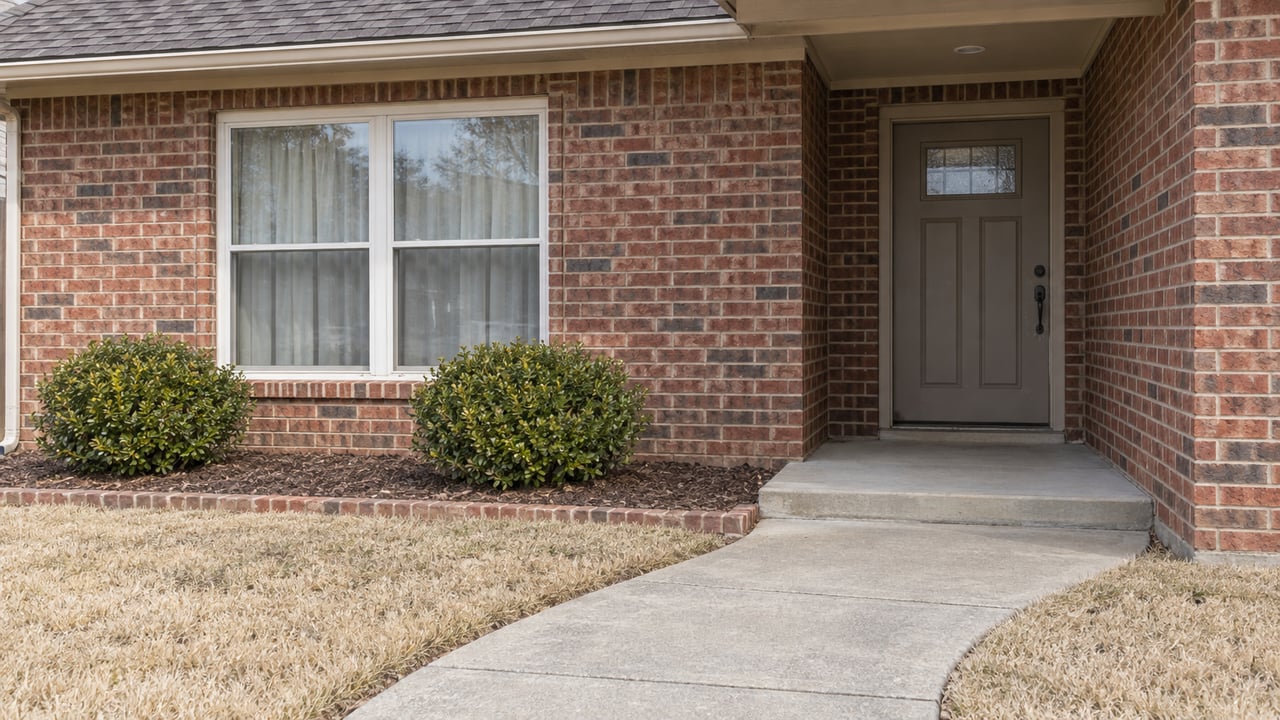
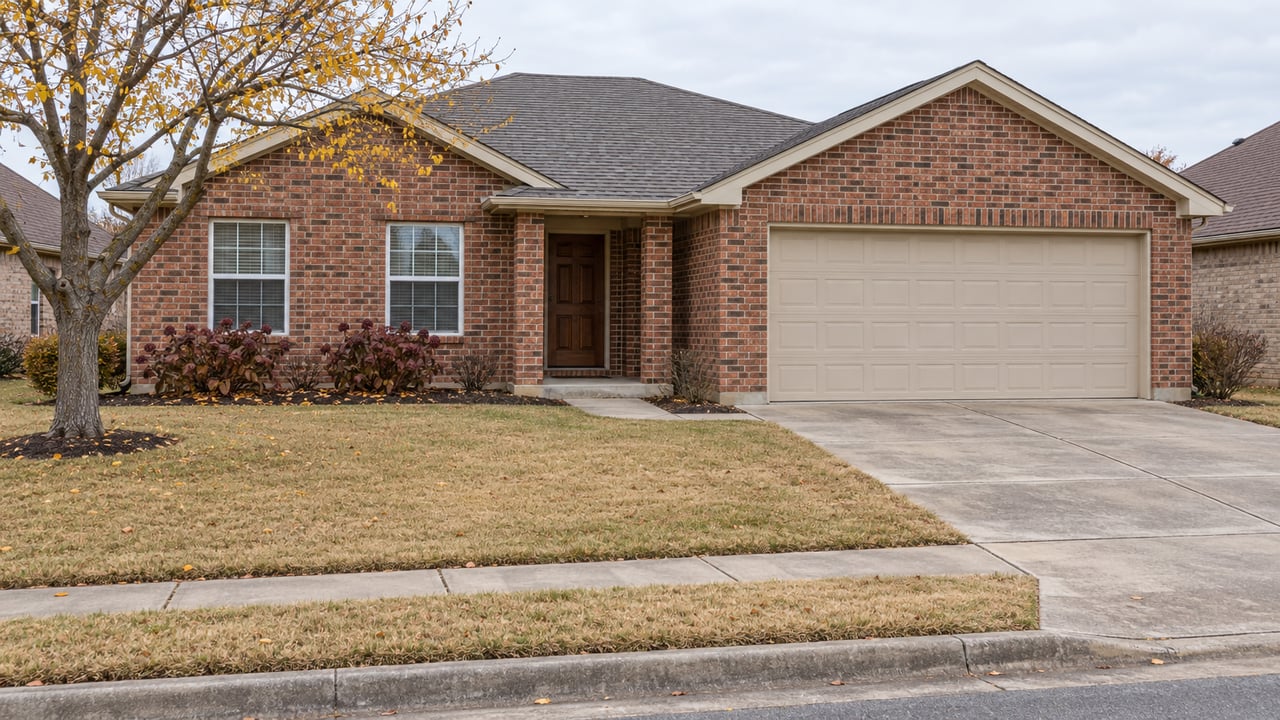
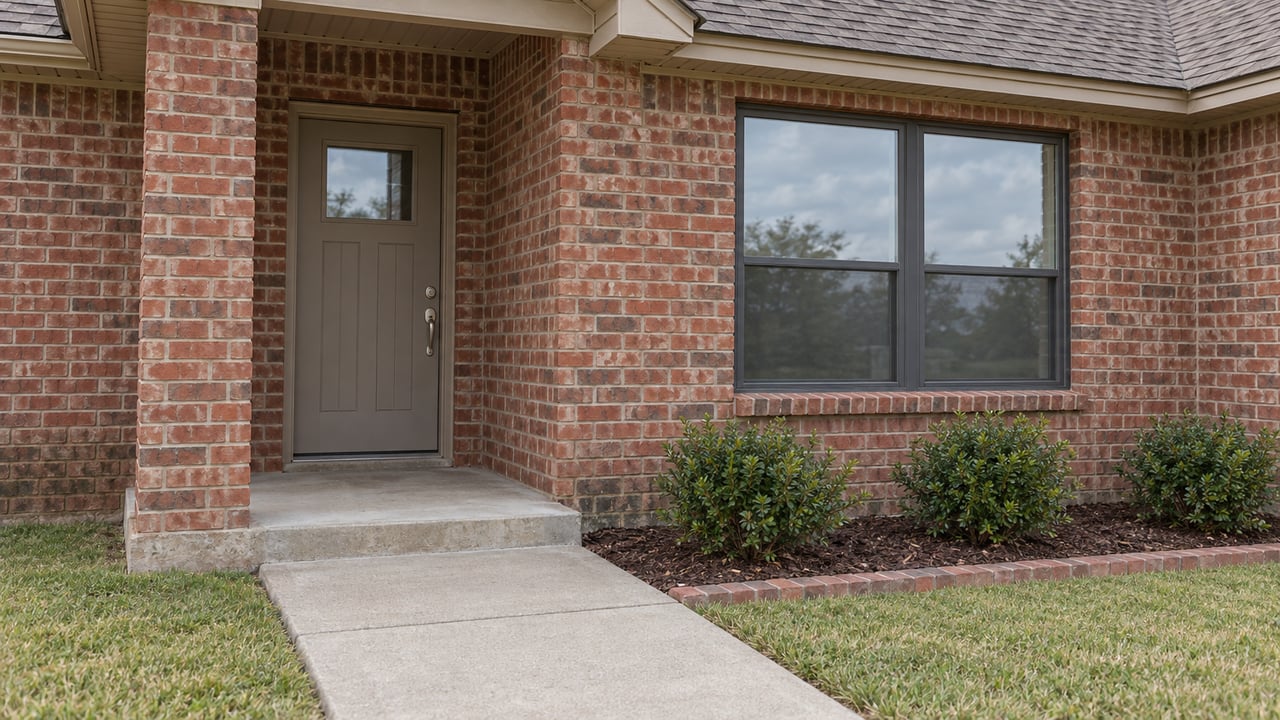


Whether you’re buying, selling, or planning your next move, Matt Berry is ready to work for you. Reach out today to start your real estate journey with confidence and clarity.