Edmond Home Styles to Know Before You Buy
June 18, 2026
June 18, 2026
Wondering why one Edmond home feels classic and cozy while another feels wide open and brand new? That mix is a big part of what makes shopping for a home here so interesting. If you are buying, selling, or just getting to know the market, understanding the home styles around Edmond can help you spot the right fit and make smarter decisions. Let’s dive in.
Edmond is still mostly a single-family home market. Census Reporter shows 41,692 housing units in the city, and about 83% are single-unit homes. That means when you search in Edmond, you are mostly looking at detached houses rather than condos or large multifamily buildings.
The city also has a broad age mix, which shapes what you will see from one neighborhood to the next. In Edmond’s 2023 ACS-based consolidated plan, 43% of owner-occupied homes were built in 2000 or later, 35% were built from 1980 to 1999, 20% were built from 1950 to 1979, and 2% were built before 1950. In simple terms, Edmond gives you both established neighborhoods and newer suburban development in the same city.
That range matters because home style is often tied to when a home was built. Older areas near the historic core tend to show more variation, while newer sections often reflect current design trends and more modern floor plans.
If you spend time in older Edmond neighborhoods, you will notice a more varied architectural story. The Edmond History Museum notes that early Edmond homes reflected a range of styles, even though most surviving homes that buyers tour today were built later than the town’s earliest settlement period.
The City of Edmond’s planning documents describe many neighborhoods built from the 1960s through the 1980s, especially closer to downtown, as primarily single-family detached with some townhomes and duplexes mixed in. These established areas often appeal to buyers who want mature streetscapes, older lot patterns, and homes with more individual character.
Neighborhood guides point to several common older styles in Edmond. In places like Timber Ridge, Homestead-Edmond, Hafer Park, and Fleetwood Terrace, you may come across ranch homes, bungalows, Colonial Revival homes, Tudor Revival homes, split-level homes, and traditional designs.
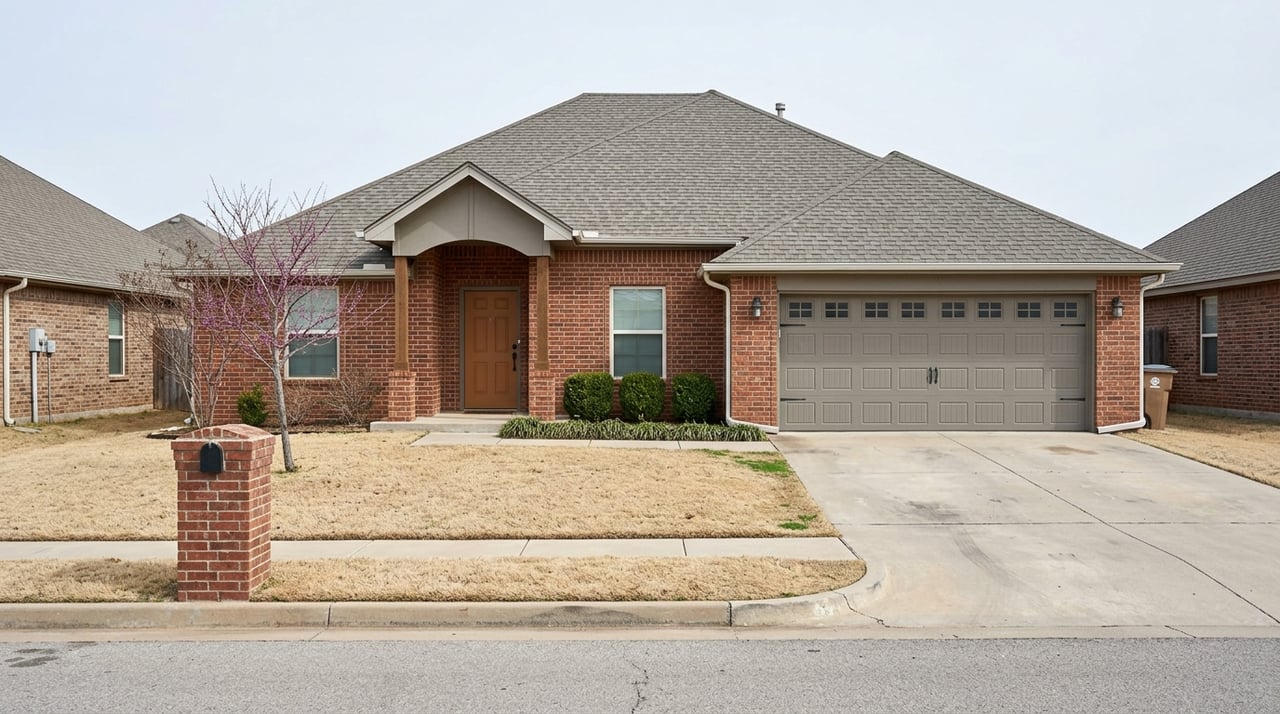
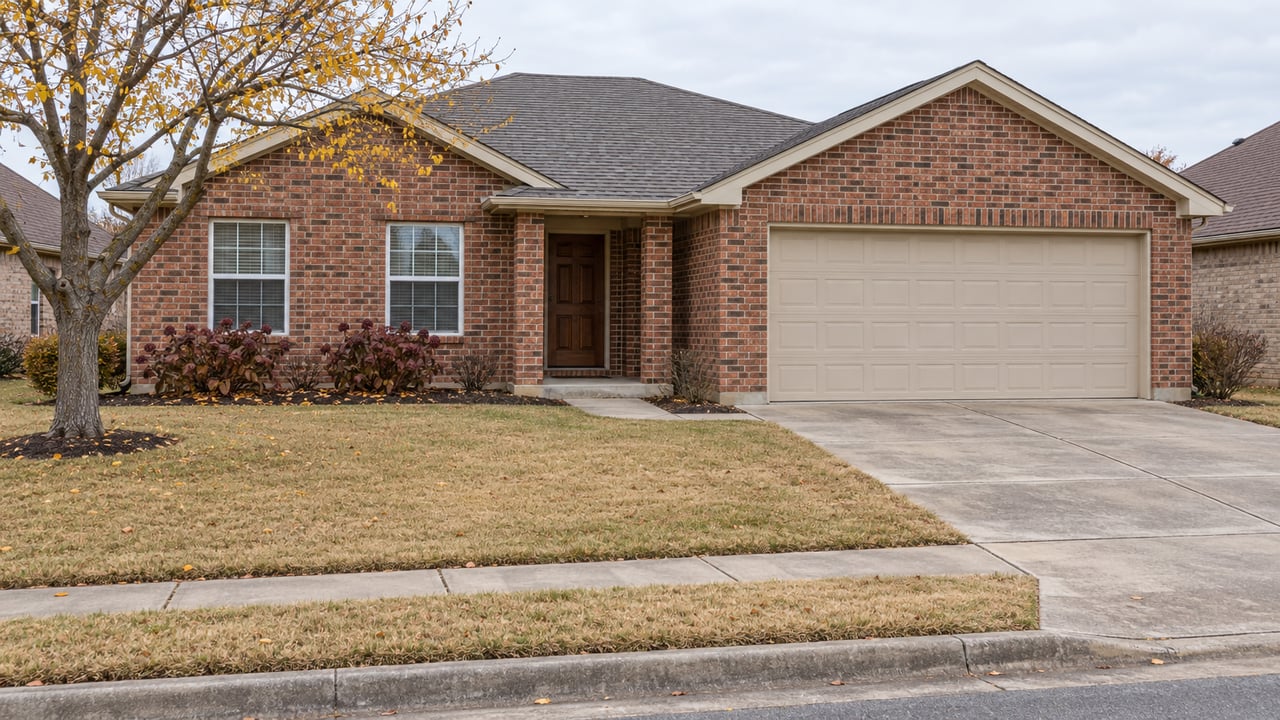
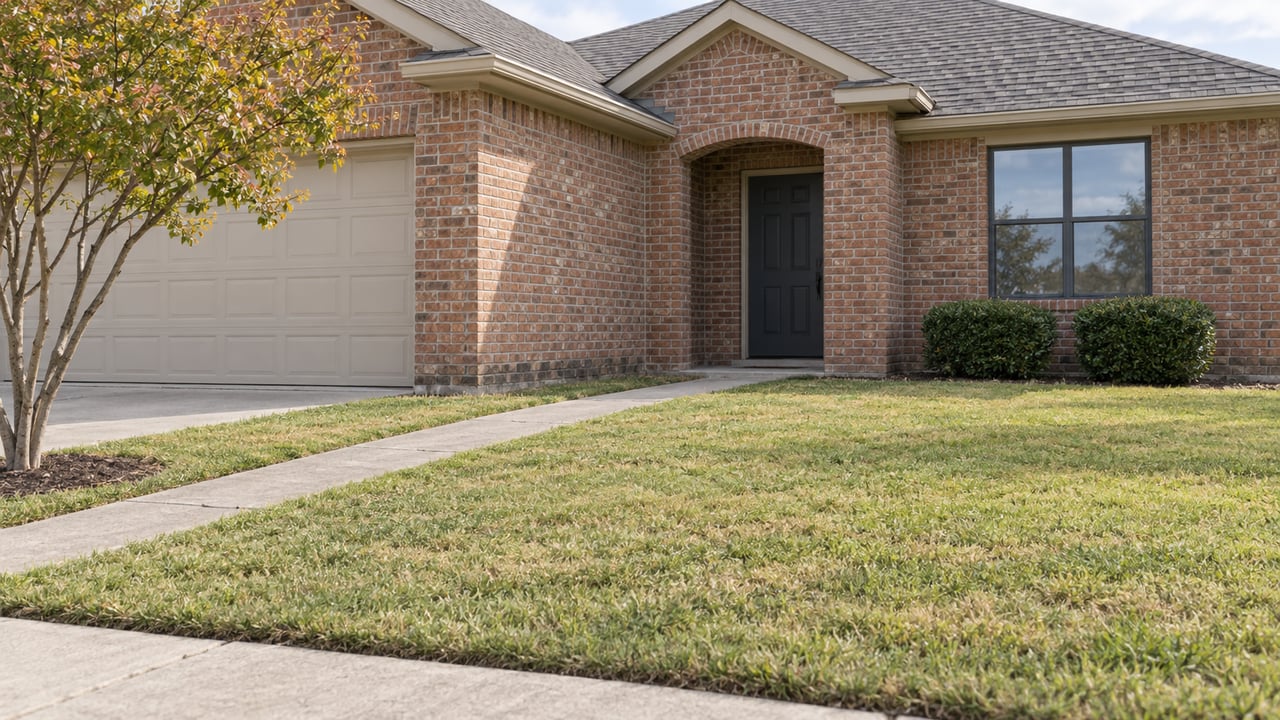
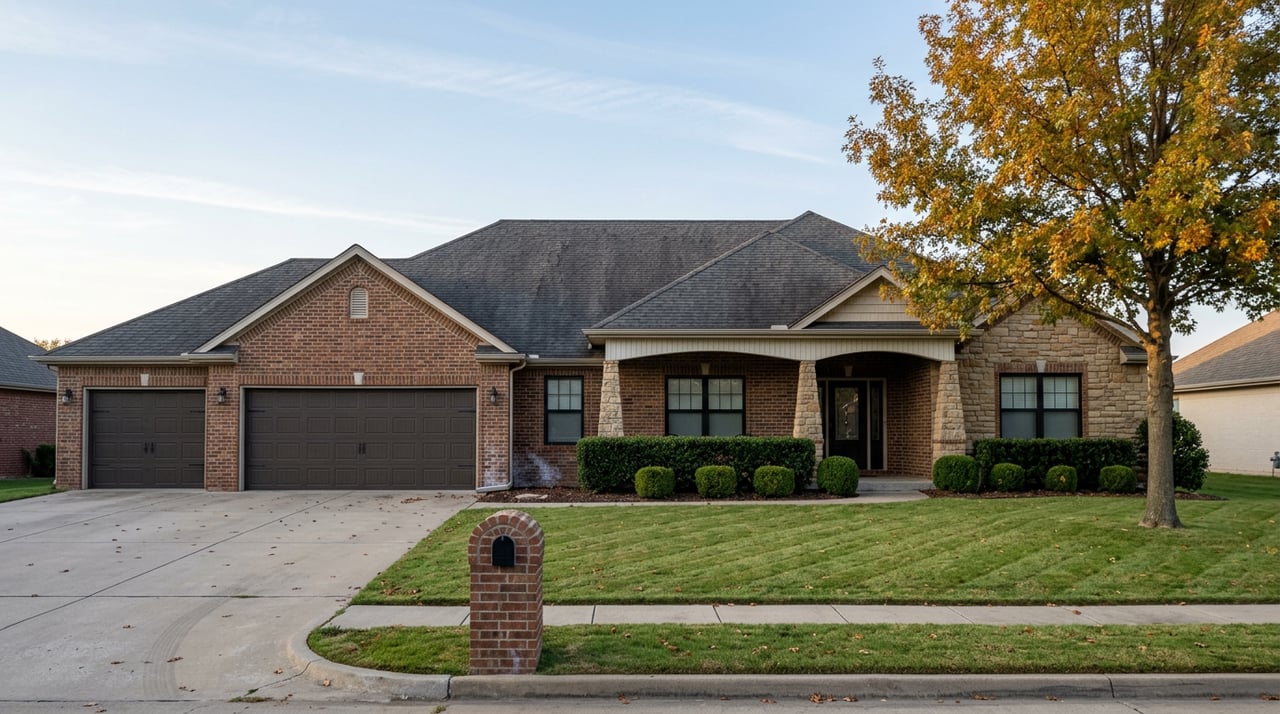
Ranch homes are one of the most recognizable styles in established Edmond neighborhoods. According to the Oklahoma Historical Society, ranch homes are typically single-story with low-pitched roofs, attached garages, and brick or stone exteriors.
For many buyers, the big draw is everyday function. Because the living space is mostly on one level, ranch homes often offer easier circulation and fewer stairs. That can make them feel simple, practical, and easy to live in.
In some older pockets, you may also see bungalows and homes with Craftsman-style details. The Oklahoma Historical Society describes Craftsman homes as low-slung with wide eaves and porch details.
These homes often stand out for their front porch presence and more detailed exterior design. If you like a home that feels a little more distinct from newer suburban construction, this style may catch your eye quickly.
Established Edmond neighborhoods can also include more formal traditional styles. Colonial Revival homes are usually rectangular in shape and often have brick siding, while Tudor Revival homes are more asymmetrical with steep roofs and brick or mixed-material exteriors.
These homes often create a different feel from a one-story ranch. You may notice more defined rooms, a more formal layout, and a stronger sense of architectural style from the street.
Some older Edmond areas also include split-level and traditional homes. Fleetwood Terrace, for example, is noted for traditional, split-level, and contemporary homes, including examples from the 1950s and the late 1990s.
A split-level floor plan can feel different right away because living spaces are separated across multiple short levels. For some buyers, that layout creates useful separation between common areas and private space. For others, it is simply a style to understand before making a decision.
As you move into newer parts of Edmond, the look and layout often shift. Recent listings commonly highlight modern farmhouse and contemporary styling, along with open-concept interiors.
This lines up with Edmond’s newer housing stock. With 43% of owner-occupied homes built in 2000 or later, a large share of the market reflects more current design preferences and floor plans.
Modern farmhouse homes show up often in newer Edmond inventory. These homes usually blend familiar, comfortable design with a cleaner and more updated look.
In current listings, you may see features like simple gable lines, mixed materials, and inviting front entries. The style tends to feel current without being overly formal, which is one reason many buyers respond to it.
Contemporary homes also appear in Edmond, especially in newer construction and updated listings. These homes often lean into cleaner lines and more open interior flow.
Even when the exterior style varies, newer homes often share similar livability features. Listings frequently highlight open kitchen, living, and dining areas, which signals how strongly buyer preferences have shifted toward shared gathering space.
One of the clearest differences in newer Edmond homes is the floor plan. Current listings often feature open-concept kitchen, living, and dining spaces, along with large islands, pocket offices or studies, bonus rooms, and three-car garages.
For daily life, that can mean more flexibility. Open-concept homes usually create larger shared spaces, although they often have fewer interior walls for separation. If you work from home or want room that can adapt over time, these layouts may feel especially useful.
Home style is not just about looks. It can shape how a house works for your routine, your storage needs, and the way you use shared space.
Ranch homes often appeal to buyers who want one-level living and straightforward circulation. Traditional, Colonial Revival, and Tudor-influenced homes can offer more defined rooms and a more formal feel. Newer open-concept homes often prioritize connection between the kitchen, dining, and living areas.
That is why it helps to think beyond curb appeal. A home that looks great online may still feel too segmented, too open, or too stair-heavy once you walk through it in person. Matching style to the way you actually live can make your search much more focused.
Style and age also affect maintenance. Edmond’s consolidated plan notes that homes built before 1980 make up 22% of owner-occupied units and 28% of renter units, and it flags lead-based paint hazard risk for those older homes.
That does not mean you should avoid older homes. It does mean you should approach them with solid due diligence. If you are buying an older property, it is smart to pay close attention to condition, updates, and any renovation work that may affect long-term costs.
Established neighborhoods may also include mature tree canopy, which the Edmond Plan describes as a desirable amenity. Trees can add shade and curb appeal, but they can also bring more landscape upkeep. For buyers and sellers alike, that is part of understanding the full picture of a property.
If you are trying to make sense of Edmond inventory, start by linking style to priorities. If you want fewer stairs and simple flow, older ranch homes may be worth a close look. If you prefer more defined spaces, traditional or Tudor-influenced homes may fit better.
If flexible gathering space matters most, newer homes with open-concept layouts may rise to the top. And if you are comparing an older home with character against a newer home with modern function, it helps to weigh both layout and likely upkeep, not just square footage.
This is where local guidance matters. Edmond has enough variety that two homes at a similar price point can offer very different tradeoffs depending on age, layout, and condition.
If you are selling, your home’s style is part of the story you want buyers to understand right away. A ranch home may need marketing that emphasizes one-level convenience and practical flow. A newer home may shine when its open living areas, office space, or bonus rooms are presented clearly.
Older homes often benefit from thoughtful preparation and honest positioning. Buyers usually respond well when they can see both the character of the home and the care that has gone into updates and maintenance.
That is especially true in Edmond, where buyers may be choosing between established neighborhoods and newer construction. Clear pricing, smart prep, and a realistic understanding of the home’s style can help your property stand out.
If you want help making sense of Edmond’s home styles, planning a move, or evaluating how your home fits the current market, Matt Berry can help you navigate the details with practical, local guidance.
Stay up to date on the latest real estate trends.


Whether you’re buying, selling, or planning your next move, Matt Berry is ready to work for you. Reach out today to start your real estate journey with confidence and clarity.