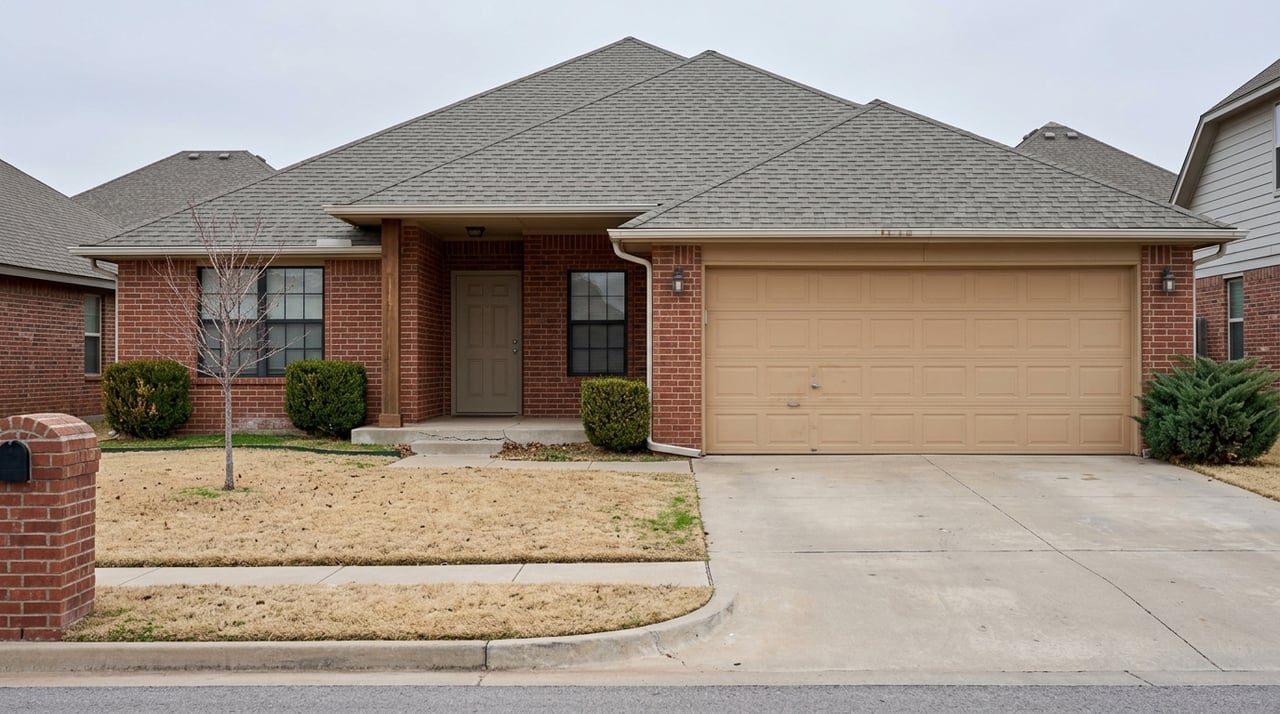
How To Judge Home Age And Condition In Edmond
July 23, 2026
July 23, 2026
Buying in Edmond is rarely just about choosing between an old house and a new one. More often, you are comparing one suburban single-family home to another and trying to figure out which one has been better cared for over time. If you know how to judge age, condition, and major system life together, you can make a much smarter decision. Let’s dive in.
Edmond’s housing stock is relatively young compared with many markets across the country. According to the City of Edmond’s housing assessment, the median age of housing units is about 30 years, around 10% were built before 1970, and about 14% were built in 2010 or later.
That matters because age alone does not tell you whether a home is a good buy. In Edmond, many homes fall into the 25- to 35-year range, so the real question is often whether the important systems have been maintained, repaired, or replaced.
A home’s calendar age is the year it was built. Its effective age is how old it feels based on condition, maintenance, and updates.
A 1995 home with a newer roof, updated HVAC, solid drainage, and careful upkeep may be in better shape than a 2018 home with moisture issues or settlement signs. That is why you want to look past the build date and study the home’s actual condition.
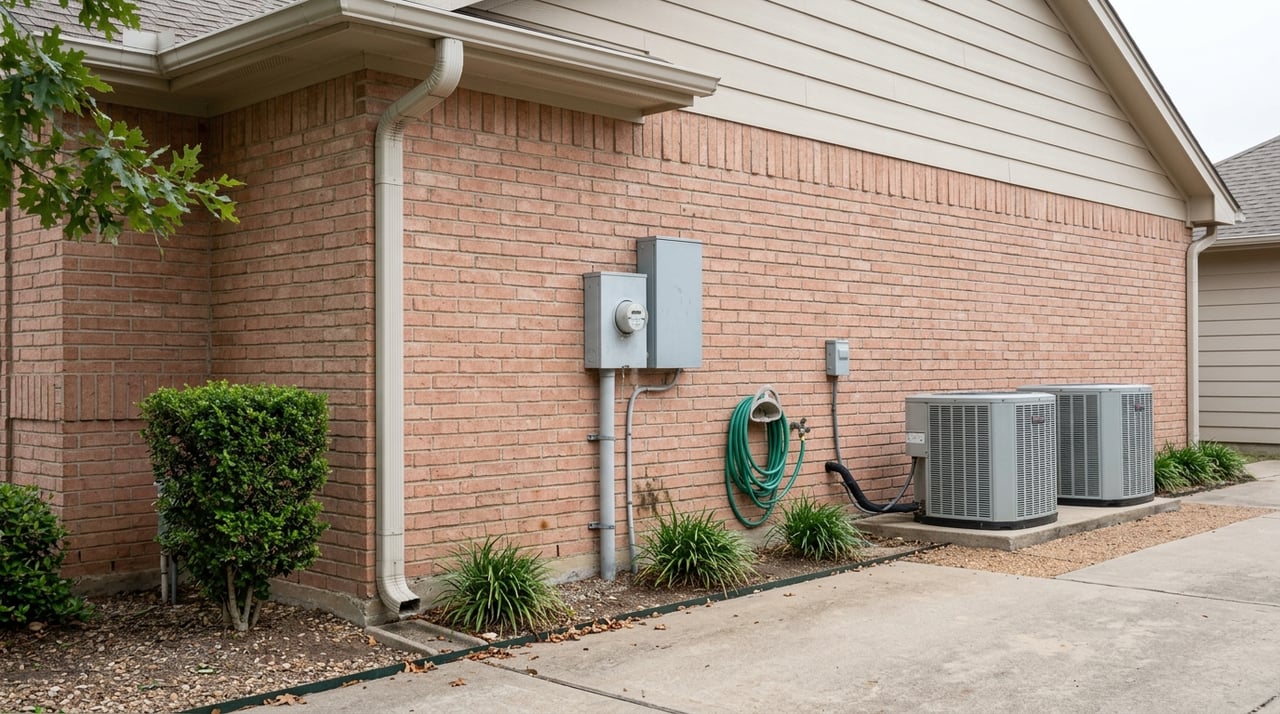
Some parts of a house tend to age faster than others. HUD’s residential inspection guidance gives rough planning ranges for common components, though actual life depends on quality, installation, maintenance, weather, and use.
Here are a few big-ticket items to keep in mind:
These are not guarantees. They are planning tools that help you ask better questions when touring homes in Edmond.
Roof condition deserves extra attention in Edmond because Oklahoma sees severe spring weather, including large hail, damaging winds, and tornadoes. A roof may be newer than the house, but that does not automatically mean it was replaced well or that no storm-related issues remain.
As you walk a property, watch for missing shingles, curled shingles, patchwork repairs, damaged flashing, excessive granules in gutters, or ceiling stains inside. HUD notes that worn, curled, or missing shingles and failed flashing should be checked by a professional.
Foundation issues are one of the biggest condition items to watch in this area. Oklahoma’s hazard planning documents note that expansive soils can swell when wet and shrink when dry, which may cause uneven movement and lead to foundation repair.
Visible clues can include uneven floors, doors that do not close properly, windows that stick, wall cracks, and signs of abnormal settling. A home can have a very long-lasting foundation material on paper, but local soil movement can still create real-world problems much sooner.
Moisture problems often show up before a major repair bill does. If you notice pooling water near the foundation, damp utility areas, visible water stains, or seepage signs, slow down and investigate.
Oklahoma’s Residential Property Condition Disclosure Statement specifically asks sellers about flood issues, runoff, sewer backup, grading problems, and seepage. Those questions are important in Edmond because drainage can affect both daily livability and long-term foundation performance.
Termites should always be part of your due diligence in Edmond. Oklahoma State University says eastern subterranean termites exist throughout Oklahoma, and termite attack can begin within a year after construction because termites are common in Oklahoma soils.
Common warning signs include mud tubes on foundation walls, winged swarming termites, mud in cracks between boards and beams, hollow-sounding wood, and very soft wood. Even a newer home is not automatically exempt from termite risk.
Real estate listings can be helpful, but they should be treated as clues, not proof. Terms like updated and remodeled do not mean the same thing.
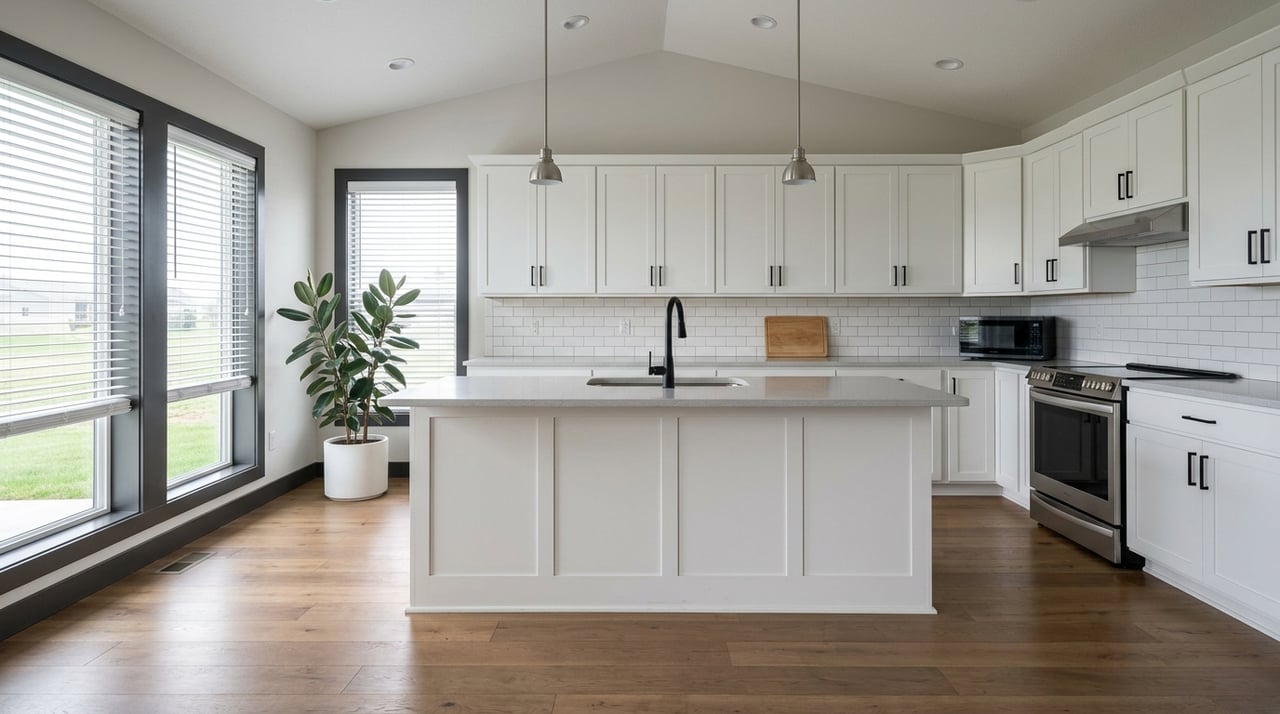
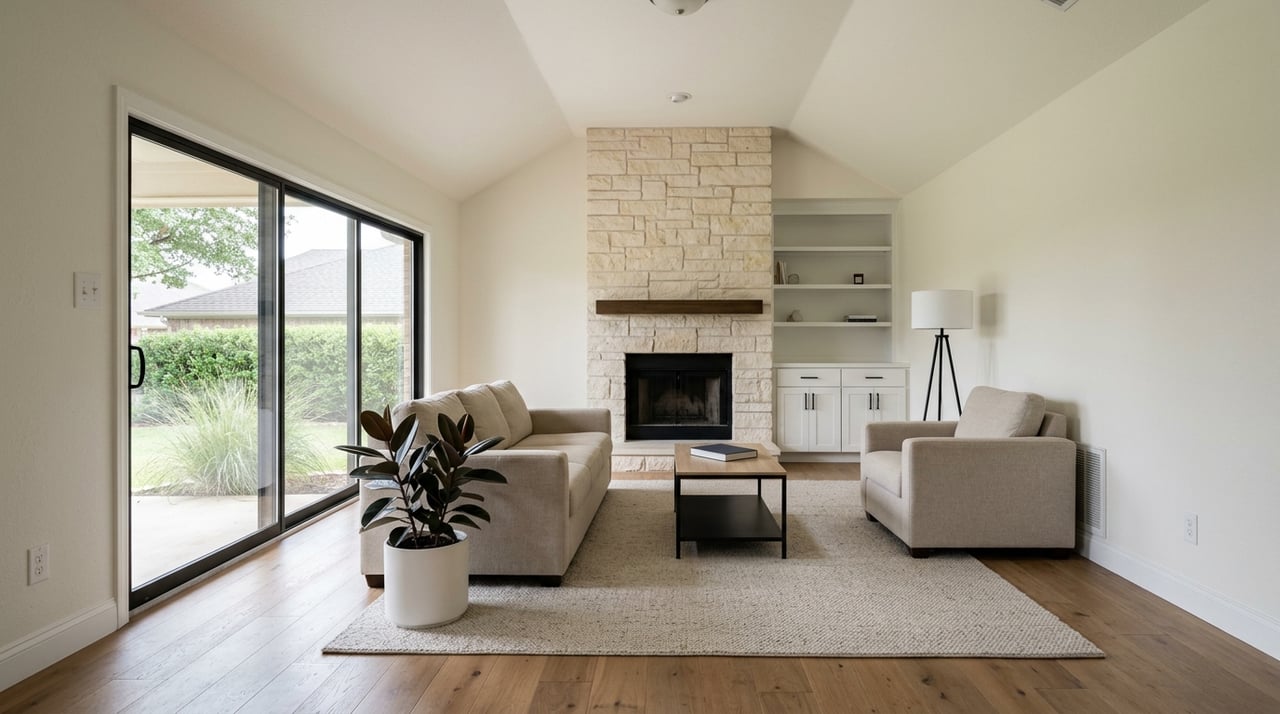
Fannie Mae’s guidance draws a useful line here. An updated home usually has more limited changes that improve appearance or function, while a remodeled home reflects more significant finish or structural changes. Fresh paint, new fixtures, or new flooring may improve looks without changing the age of the roof, HVAC, or water heater.
In Oklahoma, sellers of one- to two-dwelling residential properties generally use the current Residential Property Condition Disclosure Statement. This form is valuable because it asks about issues that directly affect how you judge age and condition.
It specifically covers topics such as additions made without required permits, foundation repairs, roof-covering repair or replacement, termite damage, storm, hail, or wind damage, drainage defects, flood issues, and other material defects. Just as important, the form states that disclosures are not warranties and do not replace inspections.
If a seller says a major item was replaced, ask for backup. Good examples include invoices, warranties, contractor information, and any permit history when permits were required.
This step is especially important in Edmond because the permit trail can vary by project. The city says permits are required when a homeowner adds to or removes structural framework or installs, alters, or replaces regulated electrical, gas, mechanical, or plumbing systems.
There is one detail many buyers miss. Edmond says a permit is not required for replacing or repairing existing residential roof coverings, so a claimed “new roof” may not appear in permit records. In that case, receipts and warranty information become even more important.
Not every defect should scare you away. Fannie Mae notes that some issues fall into the category of minor conditions or deferred maintenance, such as worn floor finishes, older carpet, minor plumbing leaks, holes in window screens, missing handrails, or cracked window glass.
Those items still matter because they affect your budget and repair list. But they are different from structural movement, major moisture intrusion, or serious roof failure. Keeping that distinction in mind helps you stay calm and make better decisions during showings and inspections.
When you tour a home in Edmond, use a practical system instead of relying on first impressions alone.
Ask yourself:
This approach helps you compare homes more clearly, especially in Edmond’s common mix of late-20th-century and newer single-family housing.
A 30-year-old home in Edmond is not automatically a problem. In fact, that age is close to the citywide median, and many homes from the 1990s or early 2000s can still be strong options if major systems have been maintained.
At the same time, a newer home is not automatically low-risk. Moisture issues, drainage concerns, settlement, or termite activity can still show up regardless of construction date. The strongest evaluation comes from combining age, visible condition, disclosure answers, and repair history.
When you are evaluating homes in Edmond, it helps to work with someone who can look beyond cosmetic finishes and focus on the details that affect cost, risk, and long-term value. That is especially useful when you are comparing several similar suburban homes and trying to decide which one is truly the better buy.
With practical construction insight and local Edmond experience, Matt Berry helps you look at a home the way a careful buyer should. That means asking the right questions, spotting common red flags, and helping you make sense of what matters most before you move forward.
If you want help comparing homes or preparing for a smart purchase in Edmond, schedule a consultation with Matt Berry.
Stay up to date on the latest real estate trends.
Whether you’re buying, selling, or planning your next move, Matt Berry is ready to work for you. Reach out today to start your real estate journey with confidence and clarity.