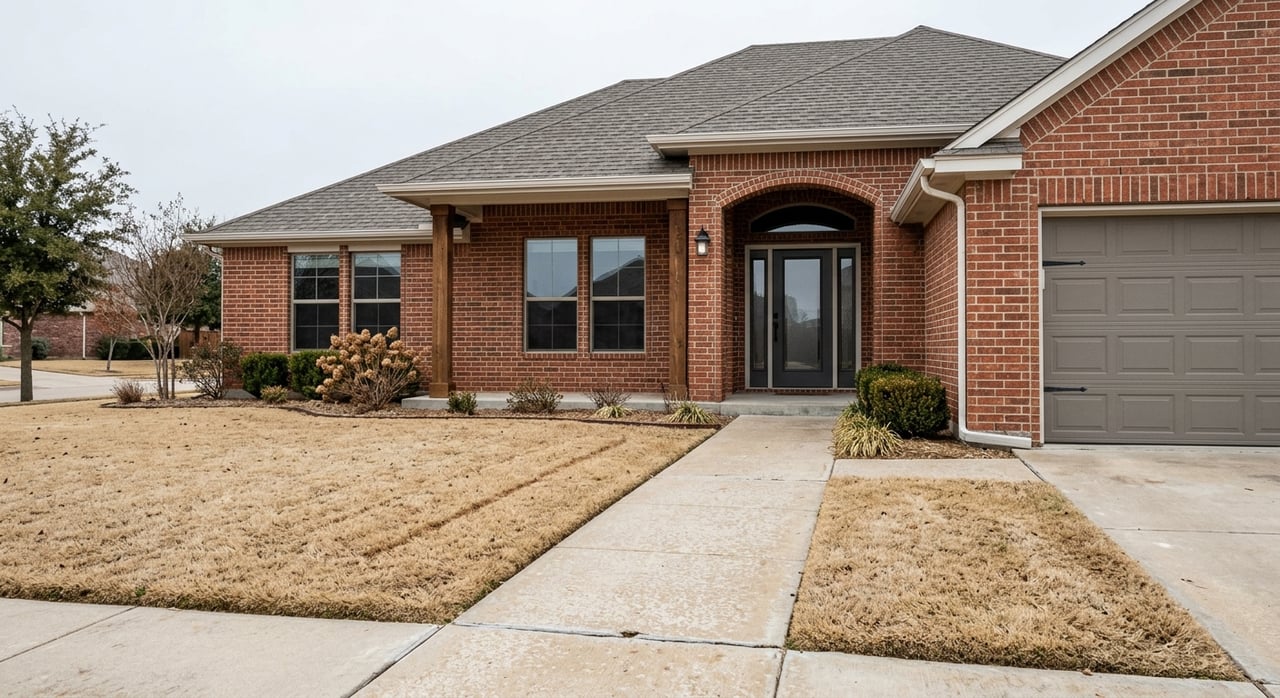
First Time Home Buyer Edmond Guide: A Local Step-By-Step Path
April 16, 2026
April 16, 2026
Buying your first home in Edmond can feel exciting and overwhelming at the same time. You want to make a smart decision, stay within budget, and avoid surprises once you are under contract. The good news is that when you understand how Edmond’s market works and what steps come next, the process becomes much more manageable. Let’s walk through it step by step.
Before you start touring homes, it helps to know what kind of market you are stepping into. Recent housing data shows Edmond is active but not extreme, with prices clustering from the mid-$300,000s to low-$400,000s depending on the source and the metric used. Recent reports also show homes can go pending in about 33 days, while other listings may stay on the market 46 to 52 days, which points to a market where some homes move fast and others allow more room to negotiate.
That matters as a first-time buyer because Edmond is not one uniform market. According to Edmond market data and neighborhood trends, price points can vary widely across the city. Neighborhood medians range from around $206,250 in Fairhill and $270,500 in Copper Creek to roughly $350,000 in The Grove, $395,749 in Coffee Creek, and much higher in areas like Twin Bridges and Oak Tree.
The local housing mix also includes more than traditional detached homes. The City of Edmond's residential permit categories include new single-family homes, townhouses, duplexes, and accessory dwelling units, which gives you more options depending on your budget and goals. Edmond’s housing assessment also notes that the city has a strong market with limited for-sale and rental options available at any given time.
Your first move is not browsing listings. It is getting clear on what you can comfortably afford each month.
The Consumer Financial Protection Bureau recommends checking your credit early, reviewing your debt and income, and making sure your future monthly payment fits your budget before you shop. That is especially important in Edmond, where the price range changes a lot from one area to another. A payment that feels comfortable in one part of town may not line up with homes in another.
As you build your budget, remember that your down payment is only part of the picture. According to the CFPB, closing costs typically run 2% to 5% of the purchase price. On a $350,000 home, that works out to about $7,000 to $17,500 before any seller credits or lender assistance.
Once your budget is in shape, the next step is mortgage preapproval. A preapproval gives you a working price range and shows sellers that you are serious.
The CFPB explains that a preapproval letter is tentative, not a guaranteed loan offer, but sellers often want to see one before they accept an offer. It also usually expires in 30 to 60 days, so timing matters. If you get preapproved too early, you may need to update it before you are ready to buy.
It is also smart to compare lenders, not just loan programs. The CFPB recommends asking at least three lenders for preapproval and comparing the Loan Estimates they provide. This can help you spot differences in rate, fees, and total cost.
Many first-time buyers assume they need 20% down. In reality, there are lower-down-payment options that may fit your situation.
According to the CFPB, FHA loans allow down payments as low as 3.5%. Fannie Mae HomeReady and Freddie Mac Home Possible can go as low as 3%, and HomeReady may allow eligible gifts, grants, and other sources to help with down payment and closing costs.
Oklahoma buyers may also want to review state programs through the Oklahoma Housing Finance Agency. OHFA’s Gold program is for first-time buyers and has a purchase price cap of $310,600. Its Dream products can be used by first-time or repeat buyers and may include 3.5% down payment assistance, with statewide purchase-price caps of $356,362 for Dream Government and $453,100 for Dream Conventional.
For many Edmond buyers, program fit depends on price point. Since Edmond’s median listing price is above the OHFA Gold cap, many homes may line up better with Dream Conventional, FHA, HomeReady, or Home Possible. OHFA also states that it generally requires a 640 middle credit score, and while homebuyer education is not required for most OHFA products, it is required in some cases for certain Freddie Mac HFA loans when all buyers are first-time buyers.
If you are still sorting through what you qualify for, the CFPB suggests using HUD-approved housing counselors for extra guidance.
Once you know your numbers, you can shop more strategically. This is where local context matters.
Edmond offers a broad range of price points, which can be helpful for first-time buyers who want flexibility. Some areas may offer more attainable pricing, while others fall into the mid-range or luxury category. Because the city has this wide spread, your home search should focus on the monthly payment, condition, and overall fit for your lifestyle rather than assuming all Edmond homes are priced alike.
Market pace also varies. Some homes may sit long enough to create room for negotiation, while others can attract multiple offers quickly. A local guide who understands pricing, condition, and how to read a listing beyond the photos can help you avoid overpaying or missing a strong opportunity.
When you find the right home, your offer should be competitive without giving up important protections. That balance is especially important if this is your first purchase.
The CFPB notes that when a contract includes an inspection contingency, you may be able to cancel without penalty if the inspection finds serious issues. That makes contingencies one of the main tools that protect you during the process. In a market like Edmond, where some homes move quickly, you still want to move fast, but you also want to stay careful.
A strong offer is not always the highest number. Terms, timing, financing strength, and the condition of the home all matter. This is also where practical property knowledge can make a real difference, especially when you are comparing a move-in-ready home with one that may need repairs after closing.
After your offer is accepted, the next phase is due diligence. This is where first-time buyers often feel the most stress, but it is also where good guidance matters most.
The CFPB recommends scheduling your home inspection as soon as possible and attending if you can. It also explains that an inspection is different from an appraisal. The inspection focuses on the home’s condition, while the appraisal helps the lender confirm value.
If the inspection reveals major issues, you may be able to negotiate repairs, request credits, or walk away if your contract allows it. This is one stage where construction-minded advice can be especially valuable because not every issue carries the same cost or level of concern. Some items are routine maintenance, while others may affect your budget or financing.
Closing is the final stretch, but it still takes planning. You will want to stay responsive to your lender, review documents carefully, and avoid making major financial changes during this period.
The CFPB says your lender must provide the Closing Disclosure at least three business days before closing. Freddie Mac reports that the average time to close a purchase loan is 43 days, so most buyers should expect the process to take several weeks from contract to closing. You should also plan for homeowner’s insurance, title-related costs, and any final lender requests.
The CFPB also notes that you can shop for title services and may want owner’s title insurance to help protect your investment. Before signing, schedule a final walk-through, ideally about 24 hours before closing, to confirm the home is in the expected condition.
Even in a balanced or somewhat competitive market, a few common mistakes can make the process harder than it needs to be.
Here are some to watch for:
First-time buyers often need more than a list of homes. You need someone who can help you understand pricing, spot red flags, and make practical decisions at each step.
In Edmond, that matters because the market includes different property types, a wide price range, and varying levels of competition depending on the area and price point. A knowledgeable local agent can help you narrow your options, build a smart offer strategy, and understand condition issues before they become expensive surprises.
If you are planning your first purchase in Edmond, working with someone who understands homes from both a market and property-condition standpoint can give you more confidence from day one to closing. When you are ready to take the next step, connect with Matt Berry to schedule a consultation and build a plan that fits your budget, timeline, and goals.
Stay up to date on the latest real estate trends.



Whether you’re buying, selling, or planning your next move, Matt Berry is ready to work for you. Reach out today to start your real estate journey with confidence and clarity.